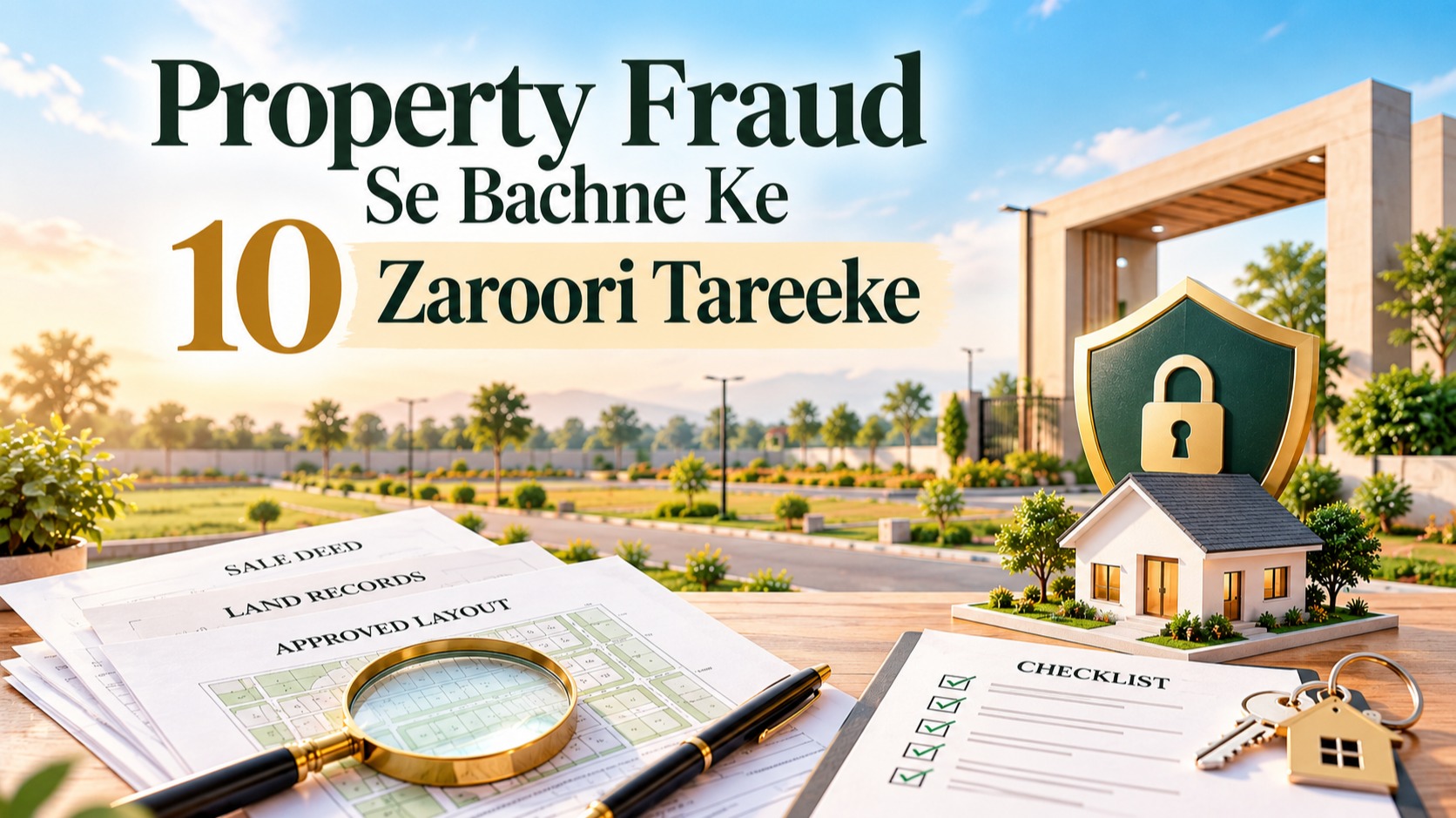
Registry and Stamp Duty Charges in Rajasthan: Complete Guide
Real Estate Guide • 03 Nov 2026
A complete guide to understanding stamp duty, property registration charges, and additional expenses before buying a plot or property in Rajasthan.
Registry and Stamp Duty Charges: A Complete Guide for Property Buyers
Buying a plot, house, or commercial property is a major financial decision. While most buyers focus on the property price, there are additional costs that should never be overlooked. One of the most important expenses is stamp duty and property registration charges.
These charges are essential for legally transferring property ownership from the seller to the buyer. Understanding them in advance helps buyers plan their budget, avoid unexpected expenses, and complete the registration process smoothly.
In this guide, we will explain everything you need to know about registry charges, stamp duty, registration fees, and other related expenses, especially for property buyers in Jaipur and Rajasthan.
1. What Is Stamp Duty?
Stamp duty is a government tax paid when a property is legally transferred from one person to another. It is applicable to property-related legal documents, including sale deeds and conveyance deeds.
Once the required stamp duty is paid, the property transaction can proceed towards legal registration.
Stamp duty helps establish the legal validity of property documents and is an important part of the ownership transfer process.
2. What Are Property Registration Charges?
Property registration charges are government fees paid to officially register the sale deed with the concerned Sub-Registrar Office.
Registration creates an official record of the property transaction and provides legal evidence of ownership transfer.
Without completing the required registration formalities, a property buyer may not receive the legal protection associated with a properly registered sale deed.
3. Stamp Duty and Registration Charges in Rajasthan
In Rajasthan, stamp duty and registration fees depend on the applicable government rules, property category, and buyer eligibility.
For a typical property sale deed, the general rates include:
Male buyer: 6% stamp duty.
Female buyer: 5% stamp duty.
SC/ST/BPL category female buyer: 4% stamp duty.
General registration fee: 1%.
Applicable surcharges and other government charges are additional.
Eligible joint ownership transactions may have different concessional rates. For example, a sale deed in favour of husband and wife for property valued up to ₹50 lakh has a notified stamp duty rebate.
These rates are subject to government notifications and the nature of the transaction.
4. How Is Stamp Duty Calculated?
Stamp duty is generally calculated on the applicable property valuation, which may depend on the agreement value and the government's District Level Committee (DLC) rate.
For example:
Suppose you purchase a residential plot for ₹20 lakh. Your stamp duty and registration expenses will depend on the applicable buyer category and government rates.
The calculation generally includes:
Stamp duty
Applicable surcharge on stamp duty
Registration fee
Copying, scanning and indexing charges
As an illustration, at a 6% stamp duty rate, a 33% surcharge on stamp duty, and a 1% registration fee, the government charges on a ₹20 lakh valuation would be approximately ₹1,79,900, including ₹300 in scanning charges.
The actual amount should always be confirmed through the official registration portal.
5. Other Expenses to Consider During Property Registration
Apart from stamp duty and registration fees, buyers should also keep some additional expenses in mind.
A. Legal Documentation Charges
Preparing and verifying sale deeds and other legal documents may involve professional fees.
B. Advocate or Document Writer Fees
Some buyers hire a legal professional or document writer to prepare and review property documents.
C. Property Verification Expenses
Checking ownership records, title documents, approvals, and other relevant details may involve additional professional expenses.
D. Additional Government Charges
Depending on the property type and transaction, certain additional government charges may apply.
Planning for these expenses in advance can help avoid last-minute financial pressure.
6. Why Is Property Registration Important?
Property registration is one of the most important steps in purchasing real estate.
Here are some major benefits:
Legal Ownership: Establishes an official record of the property transfer.
Documentary Proof: Provides registered evidence of the transaction.
Protection Against Disputes: Helps protect the buyer's legal interests.
Transparent Transactions: Creates an official record of the sale.
Future Transactions: Registered ownership documents are important when selling, transferring, or using property as collateral.
7. How to Complete the Property Registration Process in Rajasthan
The property registration process generally involves the following steps:
Finalise the property transaction and verify ownership documents.
Prepare the sale deed with the correct property details.
Calculate the applicable stamp duty and registration fees.
Pay the required government charges through the prescribed payment method.
Book or complete the registration formalities through the Rajasthan e-Panjiyan system.
Visit the concerned Sub-Registrar Office with the required documents and parties.
Complete document verification, photographs, biometrics, and other formalities as applicable.
Collect the registered sale deed and keep it safely.
8. Important Tips Before Registering Your Property
Before proceeding with property registration, remember these important points:
Always verify the property's ownership and title.
Check the applicable DLC rate.
Confirm the latest stamp duty and registration charges.
Ensure that the sale deed contains accurate property details.
Verify project approvals and relevant permissions.
Keep payment receipts and registered documents safely.
Seek professional legal advice whenever required.
Conclusion
Understanding registry and stamp duty expenses is essential for every property buyer. These charges are an important part of the total property investment and should be included in your budget from the beginning.
Whether you are purchasing a residential plot, a house, or commercial property in Jaipur, having the right information can make your buying journey more transparent and hassle-free.
At EarthMax Developers, we believe that a good property investment begins with informed decisions, transparency, and proper planning.
Plan wisely. Invest confidently. Build your future with the right property decision.
Disclaimer: Stamp duty, registration fees, surcharges, and other charges may change as per government notifications. The information provided is for general awareness and should not be considered legal or financial advice. Buyers should verify the latest applicable rates through the Rajasthan Registration and Stamps Department before completing a transaction.